8 BUWAN AKONG BUNTIS NANG BUGBUGIN AKO NG SAKIM KONG HIPAG PARA NAKAWIN ANG $150,000 NG MGA ANAK KO, HANGGANG SA PUMUTOK ANG PANUBIGAN KO… NGUNIT MAKALIPAS ANG ILANG ORAS, ISANG NAKAKAGIMBAL NA EKSENA ANG TULUANG SUMIRA SA KANYANG BUHAY!
Sinasabi nila na ang isang ina ay kayang gawin ang lahat, kahit pa itaya ang sariling buhay, upang protektahan ang kanyang mga anak. Ngunit hindi ko inasahan na ang pinakamalaking panganib sa buhay ng aking mga isisilang na sanggol ay magmumula sa sarili naming pamilya.
Ako si Lina, walong buwang buntis sa aking kambal. Bago pumanaw ang aking mga magulang sa isang aksidente, nag-iwan sila ng trust fund na nagkakahalaga ng $150,000 (halos 8.5 Milyong Piso). Mahigpit ang bilin sa testamento: ang pera ay eksklusibong nakapangalan sa aking mga magiging anak para sa kanilang edukasyon at kinabukasan, at ako lamang ang legal na tagapamahala nito.
Ngunit ang pondong ito ang naging sentro ng kasakiman ng aking hipag na si Stella—ang ambisyosa at baon sa utang na asawa ng kapatid ng asawa ko.
ANG WALANG-AWANG PAG-ATAKE
Isang hapon, habang nasa business trip ang asawa kong si Mark, biglang dumating si Stella sa aming bahay. Wala siyang pasubali, galit, at namumula ang mga mata. Pumasok siya sa sala at inihagis ang mga papeles ng bangko sa harapan ko.
“Lina, kailangan ko ng $150,000 ngayon din! Nakasangla ang bahay namin at papatayin ako ng mga inutangan ko sa sugal!” nagwawalang sigaw ni Stella. “Pirmahan mo ang withdrawal slip na ito! Magkakamag-anak tayo, kailangan mo akong tulungan!”
“Baliw ka ba, Stella?!” sagot ko, pilit na pinapakalma ang aking sarili habang hawak ang aking malaking tiyan. “Hindi akin ang pera, sa mga anak ko ‘yan! At kahit kailan, hindi ko isusugal ang kinabukasan nila para bayaran ang mga bisyo mo. Umalis ka na sa pamamahay ko!”
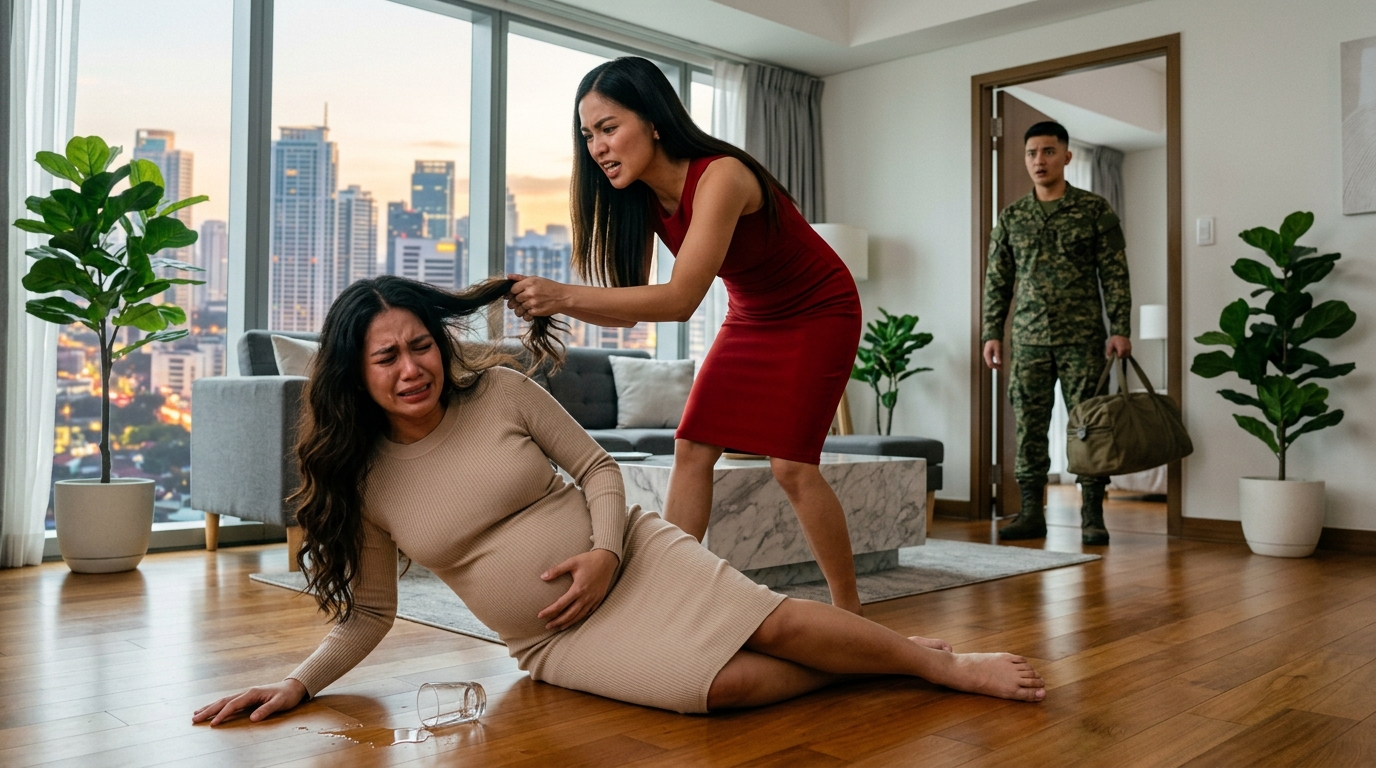
Tila sinapian ng masamang espiritu si Stella. Nagdilim ang kanyang paningin. Sa halip na umalis, mabilis siyang sumugod sa akin. Bago pa ako makasigaw, naramdaman ko ang isang napakalakas at matigas na suntok na tumama nang direkta sa aking walong-buwang tiyan.
Napahiyaw ako sa sobrang sakit at napabagsak sa sahig. Namimilipit ako habang hawak ang aking sinapupunan.
“Hindi ka pipirma?! Pwes, kukunin ko ang checkbook at ang mga alahas mo sa kwarto!” bulyaw niya.
Sinubukan kong gumapang upang abutin ang aking telepono, ngunit nakita niya ako. Marahas niyang hinawakan ang aking buhok at kinaladkad ako sa malamig na sahig ng sala. Naramdaman ko ang isang mainit na likido na umaagos sa aking mga binti. Pumutok na ang aking panubigan.
“Stella… parang awa mo na… ang mga anak ko…” umiiyak kong pagmamakaawa, unti-unting nanlalabo ang aking paningin dahil sa matinding kirot at pagkawala ng dugo.
Ngunit tinawanan lamang niya ako. Sinipa niya ang aking telepono palayo at nagpatuloy sa paghalungkat sa aking mga drawers. Ang huling narinig ko bago ako tuluyang lamunin ng dilim ay ang kanyang mga yabag papalabas ng bahay, iniiwan akong nag-aagaw-buhay sa sarili kong dugo.
ANG PAGGISING SA OSPITAL
Nang idilat ko ang aking mga mata, puting kisame at tunog ng heart monitor ang sumalubong sa akin. Nasa ospital ako. Agad akong napahawak sa aking tiyan—wala na ito.
Sumiklab ang matinding takot sa aking dibdib. “Ang mga anak ko! Nasaan ang mga anak ko?!”
Agad na lumapit ang asawa kong si Mark. Basang-basa ng luha ang kanyang mga mata ngunit mabilis niya akong niyakap. “Ligtas sila, Lina. Ligtas ang kambal natin. Na-emergency C-section ka, at nasa incubator sila ngayon dahil premature, pero stable na ang kondisyon nila.”
Napahagulgol ako sa matinding ginhawa. Ngunit agad din itong napalitan ng galit nang maalala ko ang nangyari. “Mark… si Stella. Gusto niyang nakawin ang pera ng mga bata. Binugbog niya ako…”
Hinawakan ni Mark ang kamay ko, at gumuhit ang isang malamig at nakakatakot na ekspresyon sa kanyang mukha. “Alam ko, mahal ko. At huwag kang mag-alala, paparating na siya rito ngayon. Akala niya ay nanalo siya.”
ANG NAKAKAGIMBAL NA KARMA
Ilang minuto lamang ang lumipas, bumukas ang pinto ng aking kwarto. Pumasok si Stella, kunwari ay umiiyak at nag-aalala. Kasunod niya ang kanyang asawa (ang kapatid ni Mark) at ilang mga kamag-anak.
“Diyos ko, Lina! Anong nangyari sa’yo?!” madramang iyak ni Stella, pilit na lumalapit sa kama ko. “Pagdating ko sa bahay ninyo kanina para bisitahin ka, nakita na lang kitang nakahandusay sa sahig! Ako ang tumawag ng ambulansya! May pumasok sigurong magnanakaw! Nawawala nga ‘yung checkbook at mga alahas mo eh!”
Inasahan ni Stella na maniniwala ang lahat sa kanyang gawa-gawang kwento. Inasahan niyang kikilalanin siyang “bayani” na nagligtas sa buhay ko habang palihim niyang ibinubulsa ang yaman ng mga anak ko.
Ngunit walang nagsalita. Isang nakakabinging katahimikan ang bumalot sa kwarto.
Dahan-dahang tumayo si Mark, may hawak na isang tablet. Hinarap niya si Stella nang may nanggagalaiting galit.
“Magnanakaw, Stella?” malamig na tanong ni Mark. “Gusto mo bang makita kung sino ang magnanakaw na muntik nang pumatay sa mag-ina ko?”
Pinindot ni Mark ang play.
Umalingawngaw sa buong kwarto ang boses ni Stella mula sa video. Nakita ng buong pamilya ang malinaw na footage mula sa lihim na security cameras na ipina-install ni Mark sa sala noong nakaraang linggo lamang bilang paghahanda sa pagdating ng mga bata.
Kitang-kita sa video kung paano niya sinuntok ang aking buntis na tiyan, kung paano niya ako kinaladkad nang walang awa habang nagmamakaawa ako, at kung paano niya hinalungkat ang mga gamit ko bago niya ako iniwang nagdudugo.
Nalaglag ang panga ni Stella. Naging kasing-puti ng papel ang kanyang mukha, at nagsimulang manginig ang buong katawan niya. “H-Hindi totoo ‘yan… edited ‘yan!” natatarantang sigaw niya.
Ngunit bago pa man siya makatakbo, bumukas ang pinto ng ospital at pumasok ang apat na unipormadong pulis.
“Stella Mendoza,” anunsyo ng pulis habang mabilis na inilalagay ang posas sa kanyang mga kamay. “Inaaresto namin kayo sa kasong Frustrated Murder, Child Abuse, at Grand Theft. Nakuha rin namin sa sasakyan ninyo ang checkbook at mga ninakaw na alahas.”
Humarap ang asawa ni Stella sa kanya, nandidiri at hindi makapaniwala. “Hayop ka, Stella! Papatayin mo ang mga pamangkin ko dahil lang sa sugal mo?! Tapos na tayo! Hihiwalayan kita!”
Nagwawala at humahagulgol si Stella habang kinakaladkad siya ng mga pulis palabas ng ospital. Ang kanyang inaasahang yaman at pagpapanggap bilang bayani ay tuluyang gumuho sa harap mismo ng kanyang pamilya.
Inakala ng sakim kong hipag na ang aking kahinaan bilang isang buntis ay magiging daan sa kanyang tagumpay. Ngunit hindi niya natanto na sa kanyang labis na kasakiman, siya mismo ang humukay ng sarili niyang libingan tungo sa habambuhay na pagkakakulong.