Pagmulat ko, nasa katawan ako ng isang babaeng halos sinira ang buhay para lang pakasalan ang maling lalaki.
At ang lalaking iyon, nakatayo ngayon sa entablado ng year-end party ng kumpanya namin.
Sa harap ng daan-daang empleyado, ngumiti siya at sinabi, “Bella, pumapayat ka na. Ilipat mo na lang sa akin ang 15% shares mo. Ako na ang bahala sa kumpanya.”
Tapos idinagdag niya, “Babae ka. Bakit ka pa makikipagsabayan sa mga buwaya sa board?”
Tahimik ang buong ballroom ng isang mamahaling hotel sa BGC.
Ako, si Isabella Mercado, anak ng chairman ng Mercado Prime Holdings, ay nakaupo sa front table habang hawak ang malamig na baso ng wine.
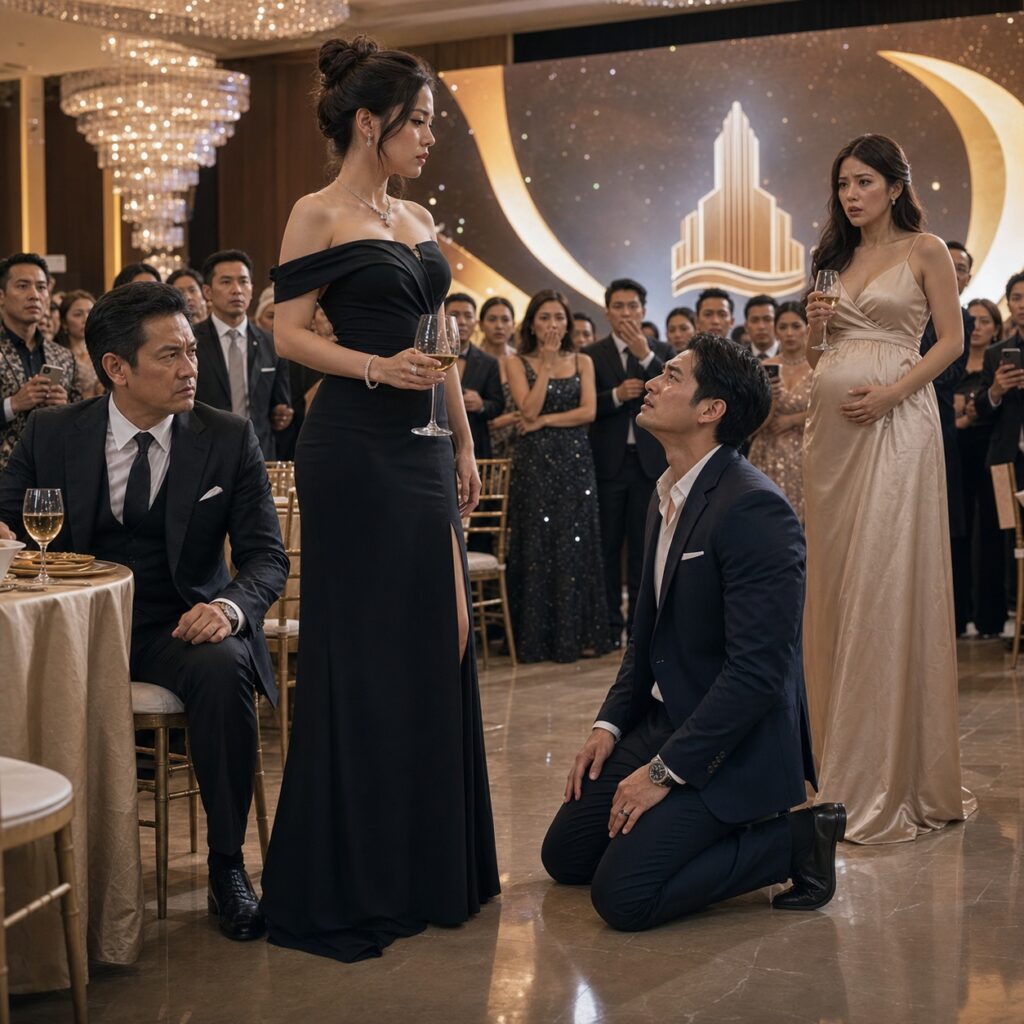
Sa gilid ng entablado, nakita ko si Lara Villanueva, ang personal secretary ng asawa ko. Nakasuot siya ng champagne-colored gown, isang kamay nakapatong sa lumalaking tiyan, habang bahagyang itinaas ang baso sa direksyon ko.
Parang pagbati.
Parang panalo na sila.
Ang asawa kong si Marco Salcedo, ang lalaking tatlong taon nang nakikitira sa mansyon ng pamilya ko, ay kilala sa kumpanya bilang mabait, mahinahon, at matiyagang asawa.
Sa mga mata ng iba, siya ang lalaking sumalo sa spoiled na anak ng may-ari.
Sa alaala ng tunay na Bella, siya ang lalaking ipinaglaban niya hanggang sa magwelga sa pagkain, tumalon mula sa second floor balcony, at mabalian ng binti, para lang pumayag ang pamilya niya sa kasal.
Pero sa mga alaalang bumuhos sa isip ko, isang bagay lang ang malinaw:
Ang lambing ni Marco ay hindi pagmamahal.
Plano iyon.
“Bella?” tawag niya sa akin mula sa entablado, malambot ang boses. “Para rin ito sa iyo. Ayokong mapagod ka.”
Tumikhim ang ilang board members. May mga ngumiti. May mga nagbulungan.
“Ang swerte talaga ni Ma’am Bella. Si Sir Marco na ang halos nagpapatakbo ng kumpanya.”
“Kung ako sa kanya, papirmahan ko na. Wala naman siyang alam sa negosyo.”
“Ganyan talaga kapag anak-mayaman. Drama muna bago utak.”
Dahan-dahan akong tumayo.
Nakita kong kumislap ang mata ni Marco. Akala niya papayag ako.
Kinuha ko ang baso ng wine, lumakad palapit sa mesa ng tatay ko, si Eduardo Mercado, na nakaupo sa gitna ng mga senior executives.
“Papa,” sabi ko, malinaw at malakas, “gusto kong makipaghiwalay kay Marco. Ngayon din.”
Parang may sumabog sa loob ng ballroom.
Nalaglag ang ngiti ni Marco.
Mabilis siyang bumaba ng entablado. Sa tatlong hakbang, nasa harap ko na siya. Namula ang mga mata niya, nanginginig ang boses, eksaktong tulad ng lalaking inapi.
“Bella, ano bang kasalanan ko? Sabihin mo lang. Aayusin ko.”
Pagkatapos, lumuhod siya.
Sa harap ng lahat.
May napasinghap. May naglabas ng cellphone. May mga empleyadong hindi na maitago ang pagkagulat.
“Grabe naman si Ma’am Bella.”
“Kawawa si Sir Marco. Niluluhuran na siya.”
“Siya rin naman ang naghabol diyan noon. Ngayon iiwan niya?”
Hindi ako gumalaw.
Alam ko ang larong ito.
Gusto niyang makita ng lahat na siya ang mababang-loob, ako ang malupit.
Papa’s jaw tightened. “Bella, pag-usapan natin ito sa bahay.”
Binibigyan niya ako ng daan para umatras.
Pero hindi na ako ang Bella na kayang manipulahin ng iyak.
Tumayo nang bahagya si Marco sa pagkakaluhod, lumapit, at bumulong sa akin, sapat na mahina para ako lang makarinig.
“Isabella, huwag kang magpakatanga. Alam mo ba ang kalagayan ng tatay mo? Ilang taon pa ba siya tatagal? At ang lolo mo, matanda na. Kapag nawala sila, sino ang kakampi mo?”
Tumigas ang mga daliri ko sa baso.
Nagpatuloy siya, nakangiti pa rin sa labas.
“Kung iiwan mo ako, wala kang silbi.”
Tumingin ako sa kanya.
At ngumiti.
Pagkatapos, humarap ako sa buong ballroom.
“Papa,” sabi ko, “kakabulong lang ni Marco na hindi ka na raw magtatagal. Na dapat tanggapin ko nang maaga ang realidad, dahil kapag nawala ka at si Lolo, wala na akong halaga.”
Namuti ang mukha ni Marco.
“Bella!” sigaw niya. “Hindi ganyan ang ibig kong sabihin!”
Bumigat ang hangin.
Tumayo ang tatay ko. Hindi siya sumigaw. Hindi niya kailangan.
“Marco,” malamig niyang sabi, “totoo ba iyon?”
Bago pa makasagot si Marco, tumayo si Lara.
“Sir Eduardo,” sabi niya, hawak ang tiyan, “pasensya na po, pero baka emosyonal lang si Ma’am Bella. Mahal na mahal siya ni Sir Marco. Siya nga po ang nag-aasikaso sa bahay, sa kumpanya, sa lahat.”
Tumingin ako sa kanya.
“Director Lara,” sabi ko, “ang lakas ng loob mong ipagtanggol ang asawa ko habang buntis ka. Saang kapasidad ka nagsasalita? Bilang empleyado? Kaibigan? O iba pa?”
Nanigas ang mukha niya.
Awtomatikong hinawakan ni Marco ang braso niya, parang proteksyon.
At doon, lalong tumahimik ang buong ballroom.
Ngumiti ako.
“Papa, humihiling ako ng emergency board meeting bukas ng umaga. Lahat ng authority ni Marco sa kumpanya, i-freeze muna. Lahat ng pirma niya, access, at corporate accounts, ipa-review.”
“Approved,” sabi ni Papa.
Isang salita lang.
Pero parang gumuho ang buong mundo ni Marco.
Nakita ko kung paano nawalan ng kulay ang labi niya. Kung paano napaatras si Lara. Kung paano biglang nag-iwas ng tingin ang mga taong kanina lang ay humuhusga sa akin.
Lumapit si Marco, halos hindi na makangiti.
“Bella,” bulong niya, “hindi mo alam ang ginagawa mo.”
“Alam ko,” sagot ko. “Ngayon lang.”
Kinagabihan, pag-uwi ko sa mansyon, sunod-sunod ang messages niya.
Bella, kalma ka muna.
Mahal kita.
Pinoprotektahan lang kita.
Huwag mong idamay ang kumpanya.
Hindi ko sinagot.
Tumawag si Lolo Rafael mula Tagaytay. Matagal kaming tahimik sa linya bago ako nakapagsalita.
“Lolo,” sabi ko, “sorry po. Ang tagal kong naging bulag.”
Narinig ko ang mahabang hinga niya.
“Basta bumalik ka, apo. Bukas, sasamahan kita.”
Akala ko roon matatapos ang gabi.
Pero alas-dose, may kumatok sa gate.
Si Marco.
Gusot ang polo, tanggal ang necktie, wala na ang perpektong imaheng ipinapakita niya sa lahat.
“Bella,” sabi niya, “kung itutuloy mo ito, sisirain mo tayong dalawa.”
Tiningnan ko siya mula sa loob ng gate.
“Hindi,” sagot ko. “Ikaw lang ang masisira.”
Biglang tumunog ang cellphone ko.
Isang message mula sa dating chief accountant ng kumpanya, si Mang Nestor, na matagal nang pinatanggal ni Marco.
Ma’am Bella, kung totoong mag-iimbestiga kayo bukas, huwag kayong papasok nang walang kopya nito.
Kasunod nito ay isang photo ng brown envelope.
Sa caption, may isang linya:
Nasa loob po ang dahilan kung bakit gustong-gusto ni Sir Marco ang 15% shares ninyo.
PARTE2
Hindi ako nakatulog.
Bago sumikat ang araw, dumating si Mang Nestor sa lumang coffee shop sa Makati, naka-cap, nakayuko, parang takot na takot na may makakita sa kanya.
Inilapag niya ang brown envelope sa harap ko.
“Ma’am Bella,” mahina niyang sabi, “tatlong taon ko po itong itinago. Pinatanggal ako ni Sir Marco dahil nakita ko ang unang transfer.”
“Anong transfer?”
Hindi siya agad sumagot. Tumingin muna siya sa paligid.
“Sa shell companies po. Maliit noong una. Consulting fees. Supplier adjustments. Emergency logistics. Pero habang tumatagal, lumalaki.”
Binuksan ko ang envelope.
May bank records. May scanned contracts. May listahan ng companies na hindi ko kilala.
At sa dulo ng unang folder, nakita ko ang pangalan ni Lara Villanueva.
Hindi lang pala siya secretary.
Board nominee pala siya ng isang private holding company na tumanggap ng milyun-milyong piso mula sa accounts namin.
Humigpit ang hawak ko sa papel.
“Bakit ngayon lang kayo nagsalita?”
Namula ang mata ni Mang Nestor.
“Dahil pinagbantaan niya po ang pamilya ko. Pero kagabi, noong sinabi ninyong i-freeze ang access niya, naisip ko… baka ito na ang huling pagkakataon.”
Pagdating namin sa boardroom ng Mercado Prime, naroon na ang lahat.
Si Papa, namumutla pero matatag. Si Lolo Rafael, nakasandig sa tungkod. Si Marco, nakasuot ulit ng perpektong suit. At si Lara, tahimik sa tabi niya, ang tiyan ay parang kalasag.
“Bella,” sabi ni Marco, “hindi pa huli ang lahat para tumigil.”
Inilapag ko ang envelope sa mesa.
“Hindi ako ang dapat tumigil.”
Isa-isang binuksan ng legal team ang mga dokumento.
Sa bawat pahina, lalo pang lumiliit ang mukha ni Marco.
Pero nang ilabas ni Mang Nestor ang huling folder, siya mismo ang nanginig.
“Ma’am,” sabi niya, “may isa pa pong hindi ninyo alam. Hindi lang pera ang dahilan kung bakit kailangan niya ang shares ninyo.”
Binuksan niya ang folder.
Sa loob, may birth certificate application, hospital records, at isang notarized agreement.
Nabasa ni Papa ang unang linya.
Bigla siyang napahawak sa dibdib.
Si Lolo Rafael naman, tumayo kahit nanginginig ang tuhod.
At ako, napako sa pangalan ng batang hindi pa ipinapanganak.
Sa dokumento, nakasulat ang ama:
Marco Salcedo.
Pero ang apelyidong gagamitin ng bata, kapag nakuha ang shares ko, ay hindi Salcedo.
Mercado.
…
Tinitigan ko ang apelyidong iyon hanggang sa tila lumabo ang mga letra.
Hindi anak ng pamilyang Mercado ang batang nasa sinapupunan ni Lara. Hindi dugo ng tatay ko. Hindi apo ni Lolo Rafael.
Pero sa dokumentong nasa mesa, nakahanda na ang plano.
Kapag nailipat ko kay Marco ang 15% shares ko, gagawa sila ng family settlement, gagamitin ang pangalan ng bata sa isang trust, at ipapasok ito bilang “future Mercado heir” sa ilang corporate documents.
Hindi lang pala nila gustong nakawin ang kumpanya.
Gusto nilang palitan ang lugar ko sa sarili kong pamilya.
“Peke ito,” sabi ni Marco, pero basag ang boses niya. “Bella, hindi mo ba nakikita? Pinaglalaruan ka nila. Si Mang Nestor galit sa akin dahil tinanggal ko siya.”
Tumingin ako kay Mang Nestor.
Nanginginig siya, pero hindi umatras.
“Tinanggal ninyo ako dahil hindi ako pumirma sa liquidation report,” sabi niya. “At dahil nakita ko ang transfer papunta sa account ng Villanueva Holdings.”
Tumayo si Lara, hawak ang tiyan.
“Enough!” sigaw niya. “Buntis ako! Ganyan ba kayo sa buntis? Pinapahiya ninyo ako dahil lang ayaw ninyong tanggapin na may ibang taong mas pinili si Marco kaysa sa spoiled ninyong anak?”
May ilang board members ang nag-iwas ng tingin.
Noong ibang araw, baka gumana iyon.
Baka maawa sila.
Baka isipin nilang ako na naman ang masama.
Pero ngayon, nasa mesa ang ebidensya.
Si Papa ang unang nagsalita.
“Lara, umupo ka.”
Hindi malakas ang boses niya, pero sapat iyon para manahimik ang buong silid.
“Sir Eduardo…” sumingit si Marco.
“Hindi ako ang kausap mo.”
Natigilan si Marco.
Sa loob ng tatlong taon, tinawag niyang Papa ang tatay ko sa harap ng lahat. Ginamit niya ang apelyidong Mercado na parang susi sa bawat pinto.
Ngayon, sa isang pangungusap, ibinalik siya ng tatay ko sa labas.
Umupo si Lara, pero galit na galit ang mga mata.
Huminga ako nang malalim.
“Marco, tanungin kita. Ilang beses mong sinabi sa akin na walang pakialam si Lolo? Na ginagamit lang niya ako para kontrolin ang shares ko?”
Wala siyang sagot.
“Ilang beses mong sinabi na mahina si Papa? Na kapag hindi kita pinakinggan, babagsak ang kumpanya?”
Tahimik pa rin siya.
“Ilang beses mong pinalabas na mahal mo ako, habang unti-unti mong inilalayo ako sa lahat ng taong tunay na nagmamahal sa akin?”
Sumikip ang dibdib ko. Hindi sa sakit na akin lamang, kundi sa bigat ng alaalang iniwan ng dating Bella.
Naalala ko siya, umiiyak sa banyo habang binabasa ang messages ni Lolo na hindi niya sinasagot.
Naalala ko siya, pinupunit ang invitation sa birthday ng tatay niya dahil sinabi ni Marco na “toxic” raw ang pamilya niya.
Naalala ko siya, pumipirma ng documents na hindi niya naiintindihan, dahil ang sabi ng asawa niya, “Trust me, love.”
Love.
Napakamahal na salita kapag ginamit ng taong walang balak magmahal.
Tinulak ni Marco ang upuan palayo.
“Fine,” sabi niya, tumatawa nang mapait. “Oo, may mga transfer. Pero hindi ako nagnakaw. Ako ang nagpalaki sa kumpanyang ito habang ikaw nagpapaka-prinsesa.”
“Marco,” sabi ni Papa, “bago ka dumating, thirty years nang nakatayo ang Mercado Prime.”
“Pero sino ang humarap sa media? Sino ang kumausap sa investors? Sino ang nag-ayos ng problema sa board habang ang anak ninyo nagwawala kapag hindi nasusunod?”
Tumayo si Lolo Rafael.
Matanda na siya, pero nang tumayo siya, lahat ng tao sa kuwarto ay tumuwid.
“Alam mo kung bakit ka namin hinayaang pumasok?” tanong ni Lolo. “Hindi dahil magaling ka. Dahil mahal ka ng apo ko.”
Napakapit si Marco sa mesa.
“At dahil mahal niya, pinili naming magtiwala. Hindi sa iyo. Sa kanya.”
Nanginginig ang labi ni Marco.
Doon ko nakita ang totoo niyang mukha.
Hindi ang lalaking umiiyak sa harap ng tao.
Hindi ang asawang nagsasabing “para sa iyo ito.”
Kundi ang lalaking galit na galit dahil ang bagay na matagal niyang hinahawakan ay biglang bumitaw sa kanya.
Tinawag ng legal counsel namin ang IT security head.
Isa-isang lumabas sa screen ang login records. Corporate approvals gamit ang account ko noong mga araw na nasa Batangas ako. Digital signatures na in-upload mula sa device ni Marco. Board memos na hindi kailanman dumaan sa akin.
Pagkatapos, lumabas ang CCTV clip mula sa executive office.
Si Lara, gabi na, nasa desk ko.
Si Marco, nasa likod niya, hawak ang phone ko.
Hindi na nagsalita si Lara.
Nawala ang tapang niya.
“Bella,” sabi ni Marco, biglang bumalik ang lambot ng boses. “Nagkamali ako. Oo. Pero ginawa ko iyon dahil takot ako. Takot akong mawala ka. Takot akong hindi ako tanggapin ng pamilya mo.”
Napangiti ako nang walang saya.
“Kung takot kang mawala ako, bakit gumawa ka ng bagong pamilya habang sinisira mo ang akin?”
Parang sinampal siya.
Napahawak si Lara sa tiyan, at sa unang pagkakataon, hindi siya nagmukhang mapagmataas. Mukha siyang pagod.
“Marco,” bulong niya, “sabihin mo na lang ang totoo.”
Tumingin siya sa kanya, matalim.
“Tumahimik ka.”
Napaatras si Lara.
At doon, may naputol sa mukha niya.
Siguro noon lang niya naintindihan na ang lalaking pinili niya ay hindi rin siya kayang protektahan kapag sarili na nito ang nakataya.
Kinuha niya ang bag niya, naglabas ng maliit na flash drive, at inilapag sa mesa.
“Lara!” sigaw ni Marco.
“Hindi ako makukulong para sa iyo,” sabi niya, nanginginig. “Sinabi mong pagkatapos makuha ang shares, pakakasalan mo ako. Sinabi mong ang anak natin ang magiging tagapagmana. Pero noong nag-text ako kagabi, sabi mo burahin ko lahat at umalis muna ng bansa.”
Nagsimula siyang umiyak.
“May recordings diyan. Lahat ng instructions niya. Lahat ng bank accounts.”
Walang kumilos.
Pagkatapos ay tumayo ang legal counsel.
“Sir Eduardo, we need to call the authorities.”
Tumango si Papa.
Lumapit si Marco sa akin.
“Bella,” sabi niya, halos pabulong. “Mahal mo ako. Hindi mawawala iyon sa isang gabi.”
Tinitigan ko siya.
May bahagi sa katawan na ito, sa alaalang ito, na minsan ngang minahal siya nang sobra. Minahal siya nang lampas sa dignidad, lampas sa pamilya, lampas sa sarili.
Pero ang pagmamahal, kapag ginamit na kadena, hindi na dapat tawaging pagmamahal.
“Hindi isang gabi,” sabi ko. “Tatlong taon mo itong pinatay.”
Dumating ang mga imbestigador bago magtanghali.
Habang inaasikaso ang documents, si Marco ay nakaupo sa dulo ng boardroom, walang imik, parang hindi makapaniwalang hindi na siya ang bida sa kuwentong siya ang sumulat.
Si Lara ay dinala rin para magbigay ng statement. Bago siya lumabas, huminto siya sa harap ko.
“Akala ko kasi ikaw ang kontrabida,” sabi niya.
“Hindi,” sagot ko. “Pareho tayong ginamit. Ang pinagkaiba lang, tumulong kang gamitin ako.”
Napayuko siya.
Hindi ko siya pinatawad. Hindi pa. Baka hindi kailanman.
Pero hindi ko rin kailangang sumigaw para manalo.
Kinahapunan, bumalik ako sa mansyon.
Nasa veranda si Papa, may kumot sa balikat, hawak ang gamot niya. Si Lolo naman ay nakaupo sa tabi, tahimik na umiinom ng tsaa.
Lumapit ako.
“Papa,” sabi ko, “sorry.”
Tumingin siya sa akin. Sa unang pagkakataon mula nang magising ako sa buhay na ito, nakita ko ang pagod sa mukha niya. Hindi lang pagod sa trabaho. Pagod ng isang amang nawalan ng anak kahit buhay pa ito.
“Akala ko,” mahina niyang sabi, “hindi ka na babalik.”
Lumuhod ako sa harap niya, hindi tulad ng pagluhod ni Marco sa ballroom, kundi dahil hindi ko alam kung paano dadalhin ang bigat ng pagsisisi.
“Bumalik na po ako.”
Hinawakan niya ang ulo ko, gaya siguro noong bata pa si Bella.
Tahimik kaming tatlo.
Walang dramatikong yakapan. Walang malaking salita.
Minsan, ang paghilom ay nagsisimula sa simpleng presensya ng mga taong hindi umalis kahit itinaboy mo sila.
Makalipas ang isang linggo, opisyal kong isinampa ang annulment at mga kasong criminal at civil laban kay Marco. Na-freeze ang accounts niya. Tinanggal siya sa lahat ng posisyon. Ang ilang board members na tumulong sa kanya ay nag-resign bago pa sila masibak.
Si Mang Nestor ay ibinalik bilang consultant sa audit committee.
Si Lara, kapalit ng buong testimonya, humarap sa sarili niyang kaso. Hindi ko alam kung ano ang mangyayari sa kanya at sa anak niya. Pero alam ko na hindi na nila magagamit ang apelyidong Mercado bilang tiket sa buhay na ninakaw nila sa iba.
At ako?
Hindi ako naging magaling agad.
Hindi ganoon ang buhay.
Nag-aral ako ng bawat report. Umupo ako sa meetings kahit nanginginig ang kamay ko. Humingi ako ng tawad sa mga taong sinaktan ni Bella dahil sa bulag na pagmamahal. May mga hindi agad tumanggap. Naiintindihan ko.
Isang hapon, pagkatapos ng unang board meeting na ako mismo ang namuno, nakita ko si Papa sa pintuan.
“Hindi masama,” sabi niya.
Ngumiti ako. “Ibig sabihin po, pasado?”
“Hindi,” sagot niya, pero ngumiti rin. “Ibig sabihin, anak nga kita.”
Sa labas ng conference room, tanaw ko ang lungsod. Ang mga ilaw, ang ingay, ang mundong patuloy kahit may pusong nababasag.
Doon ko naintindihan ang aral na iniwan sa akin ng buhay na ito:
Hindi lahat ng lumuluhod sa harap mo ay nagpapakumbaba. Minsan, naghahanap lang sila ng mas magandang anggulo para hilahin ka pababa.
Kaya sa mga nagbabasa nito, tandaan mo: ang pagmamahal na hinihingi ang iyong boses, pamilya, pangarap, at dignidad bilang kapalit ay hindi pagmamahal. Bitawan mo bago ka maubos. At kapag bumalik ka sa sarili mo, huwag kang mahiyang magsimula ulit.
Dahil minsan, ang pinakamalaking tagumpay ay hindi ang pabagsakin ang taong nanakit sa iyo.
Kundi ang araw na tumingin ka sa salamin at masabi mong: “Hindi na kita ipagkakanulo.”